
Is Scalp Micropigmentation Safe? Pain, Side Effects and Risks
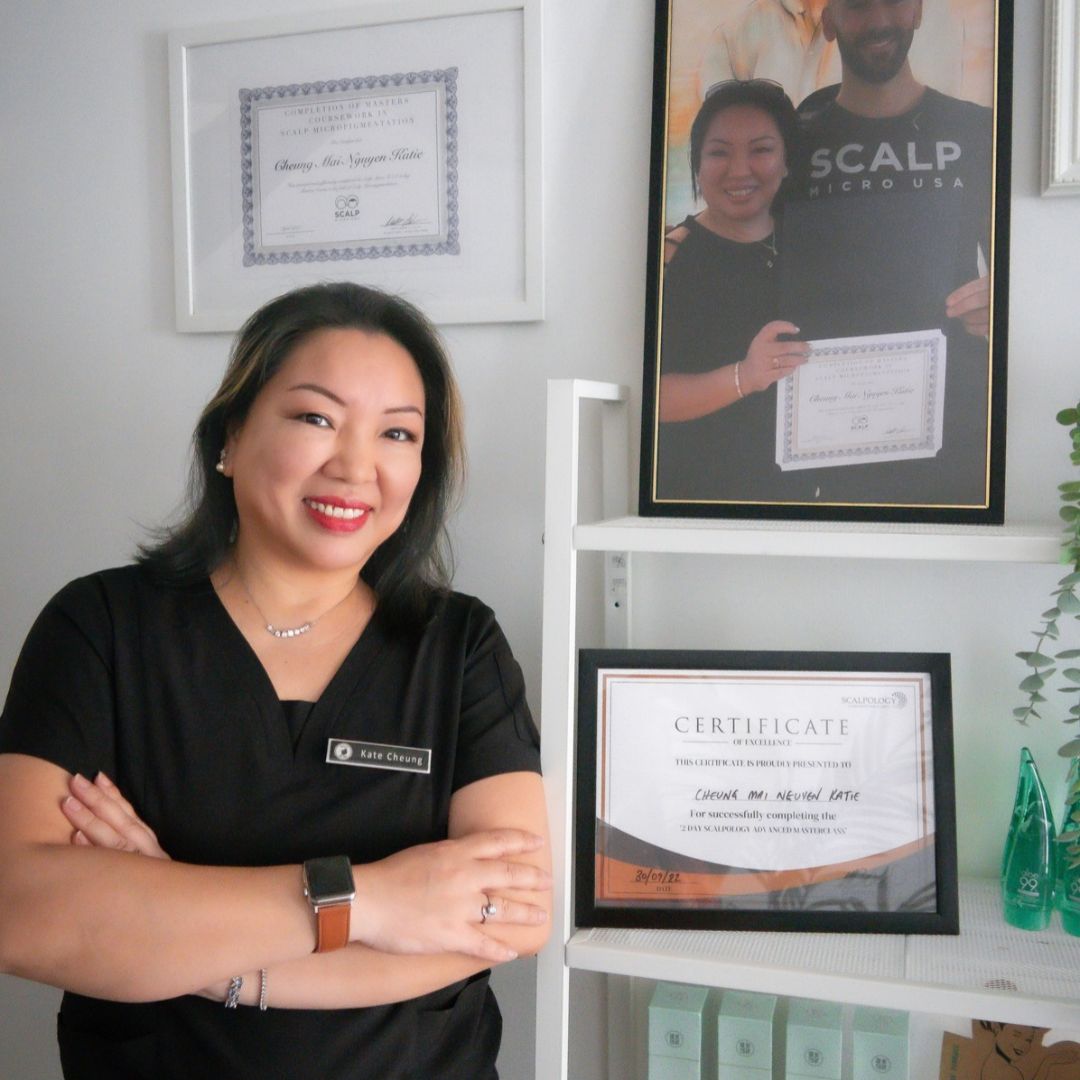
Table of Contents

Scalp micropigmentation (SMP) is a safe, non-invasive cosmetic procedure when carried out by an experienced, certified specialist adhering to clinical hygiene standards. Because the technique involves depositing medical-grade pigment into the upper layer of the skin, most scalp micropigmentation side effects are mild, localized, and subside naturally within several days. The primary risks associated with the treatment do not stem from the procedure itself, but rather from poor technique, non-sterile tools, or incorrect pigment selection by unaccredited practitioners. If you are considering a cosmetic hair tattoo to resolve hair thinning or hairline recession, understanding what the procedure feels like and how your skin recovers helps you make a confident, well-informed choice.
Does SMP Hurt?
A primary question prospective clients ask before booking an appointment is: does scalp micropigmentation hurt? While individual pain tolerance varies, most clients report that SMP causes mild to moderate discomfort rather than sharp or unbearable pain. The sensation is frequently likened to a light surface scratching, a mild vibration, or an electric toothbrush held firmly against the scalp.
Unlike conventional body tattooing, which uses larger needle configurations that penetrate deeply into the subcutaneous dermis, SMP utilizes specialized ultra-fine micro-needles. These micro-needles operate strictly within the upper papillary dermis, resulting in significantly less nerve stimulation and tissue trauma.
Certain regions of the head are naturally more sensitive than others due to variations in nerve density and tissue thickness:
Hairline and Temples: The frontal hairline and temples contain a higher concentration of nerve endings, making these regions the most sensitive during pigment placement.
The Crown and Vertex: The top of the head is generally very manageable, and clients frequently relax comfortably or listen to music throughout this portion of the session.
Behind the Ears and Nape: The skin near the base of the skull is thinner, occasionally producing a more pronounced tingling sensation as the technician blends into natural side growth.
A standard SMP session lasts between two and four hours, depending on the surface area and density required. Certified practitioners schedule short intervals throughout the session to allow you to stretch and ensure you remain at ease.
Common Side Effects and How Long They Last
Following an SMP session, the scalp undergoes a routine epidermal healing response. Common side effects are short-lived and resolve with basic aftercare.
The table below outlines the normal post-treatment side effects and their expected healing timeline:
Side Effect MP4 | Appearance and Clinical Sensation MP4 | Usual Duration MP4 |
Scalp Erythema (Redness) | A localized pink or reddish blush across the treated zones, comparable to a mild sunburn. | 24 to 48 hours. |
Mild Swelling | Slight puffiness around micro-puncture sites, especially along the frontal hairline. | 12 to 24 hours. |
Scalp Tenderness & Tightness | A dry, tight sensation when moving forehead or facial muscles. | 1 to 3 days. |
Micro-Flaking / Peeling | Tiny, pinpoint epidermal scabs shedding naturally as the skin exfoliates. | 3 to 7 days. |
Dark Initial Appearance | Fresh pigment dots appear darker and slightly larger before excess surface pigment exfoliates. | 4 to 7 days. |
Rarer Risks and How They Occur
While the standard healing response is uneventful for most clients, adverse complications can occur if procedural safeguards are ignored. These rarer risks almost always trace back to inexperienced operators, poor hygiene, or improper pigment chemistry:
Allergic Reactions to Inks: Although uncommon when using medical-grade carbon pigments, lower-grade inks containing synthetic dyes or heavy metals can trigger contact dermatitis, itching, or local inflammation. Ethical practitioners use hypoallergenic, carbon-derived organic pigments that carry zero chemical colorants.
Bacterial Skin Infections: Puncturing the skin surface creates temporary micro-channels that must remain clean. Using non-sterile consumables, working in unhygienic environments, or touching the freshly treated scalp with unwashed hands can introduce bacteria such as Staphylococcus. Professional studios maintain clinical sterile protocols, including disposable single-use barrier wraps and hospital-grade surface disinfectants.
Pigment Bleeding and Color Shifts: When an operator lacks proper depth calibration, needle penetration reaches the deeper hypodermis layer. This causes the pigment to spread laterally into smudged blotches ("blowouts") that take on an unnatural blue or green hue over time. Remedying these technical errors requires corrective procedures, as detailed in our guide to botched SMP correction in Singapore.
Does SMP Damage Hair Follicles or Stop Hair Growth?
A frequent worry for men and women experiencing thinning hair is whether repeated micro-punctures can destroy remaining follicles or accelerate baldness. When performed correctly by a trained practitioner, the answer is no.
Anatomically, human hair follicles and their regenerative dermal papillae sit embedded deep within the lower reticular dermis and subcutaneous fat layer, typically at a depth of 3.5 to 4.5 millimetres. Conversely, a certified SMP artist places pigment exclusively into the upper papillary dermis, between 1.5 and 2.0 millimetres below the skin surface. Because the micro-needle operates entirely above the hair bulb and works within the spaces between follicles, it does not damage follicular root structures or interfere with normal hair growth cycles. Peer-reviewed dermatological studies confirm that proper interfollicular pigment placement preserves native hair health without inducing follicular scarring.
Who Should Check with a Doctor First?
Although scalp micropigmentation is non-surgical, specific medical conditions warrant professional medical advice prior to scheduling an appointment. You should speak to your doctor if you have any of the following considerations:
History of Keloid Scarring: Individuals predisposed to hypertrophic or keloid scars should speak to their doctor, as repeated dermal punctures could potentially provoke an irregular scar tissue response.
Active Dermatological Scalp Conditions: Inflammatory conditions such as active scalp psoriasis, severe eczema, folliculitis, or acute seborrheic dermatitis must be medically managed and fully resolved before undergoing treatment.
Blood-Thinning Medications: Prescribed anticoagulant medications can increase pinpoint bleeding during micro-punctures, which dilutes pigment retention. You must consult your prescribing doctor before considering any alteration to medication schedules.
Pregnancy and Nursing: Elective aesthetic procedures should be deferred until after pregnancy and nursing to avoid unnecessary physiological stress or risk of infection.
How to Lower Your Procedural Risk
Ensuring a safe procedure and a natural aesthetic outcome relies on two controllable factors: selecting a qualified specialist and adhering strictly to hygiene and aftercare instructions.
Verify Specialist Credentials: Confirm that your specialist is specifically trained in scalp micropigmentation rather than traditional body tattooing or generic microblading. Dedicated scalp artists understand dermal thickness variations, needle trajectory, and facial symmetry.
Inspect Equipment Hygiene: Ensure that the studio opens factory-sealed, single-use needle cartridges in your presence and utilizes medical-grade personal protective equipment (PPE).
Commit to Proper Aftercare: Protecting the treated skin while the micro-channels close is critical to preventing infection and retaining pigment saturation. Avoid excessive sweating, saunas, strenuous workouts, swimming pools, and direct sun exposure for the first five days post-session. Review our step-by-step instructions on scalp micropigmentation aftercare to safeguard your healing skin.
Frequently Asked Questions
Is SMP permanent?
Scalp micropigmentation is technically semi-permanent to permanent. While the pigment deposits remain embedded within the dermal layer indefinitely, natural cellular exfoliation and UV exposure cause the impressions to soften over time. Most individuals schedule a maintenance refresher session every three to five years to restore sharpness and optimal density[cite: 17, 20].
Can SMP turn blue over time?
When administered correctly using pure carbon-based organic pigments, SMP does not turn blue. Unwanted blue or dark green shifts occur when an untrained operator uses standard body tattoo ink (which contains chemical dyes) or deposits ink too deeply into the skin, causing light to scatter cool undertones through the epidermis.
Can I swim or go to the gym after an SMP session?
You must avoid gym workouts, intense cardiovascular exercise, steam rooms, and swimming pools for at least five days after treatment. Sweat secretions can push pigment out of unsealed micro-channels, while chlorinated pool water and public gym environments introduce bacteria that increase the risk of infection.
Is a hair tattoo the same as scalp micropigmentation?
While colloquially called a hair tattoo, genuine scalp micropigmentation uses fundamentally different equipment, pigments, and techniques. Body tattooing uses broader needle clusters, heavy inks containing metallic oxides, and deep subcutaneous placement. SMP relies on ultra-fine single-point micro-needles, pure carbon pigments, and shallow upper-dermis placement to replicate discrete hair follicles. Read our detailed overview on what is scalp micropigmentation to explore the technical differences.
Safe Treatments at The Scalp Studio
At The Scalp Studio, client safety, procedural sterility, and natural outcomes are the core pillars of our practice. Led by Master Specialist Kate Cheung—trained in New York and London with over 1,000 successful procedures completed—we employ hospital-grade disinfection, single-use sterile consumables, and custom pigment mapping for every client. Discover how our personalized approach can restore your hairline through a safe, discrete hair tattoo in Singapore.
Book your free consultation via WhatsApp on +65 8767 8220 to discuss your hair restoration goals in a confidential clinical setting.


Comments